
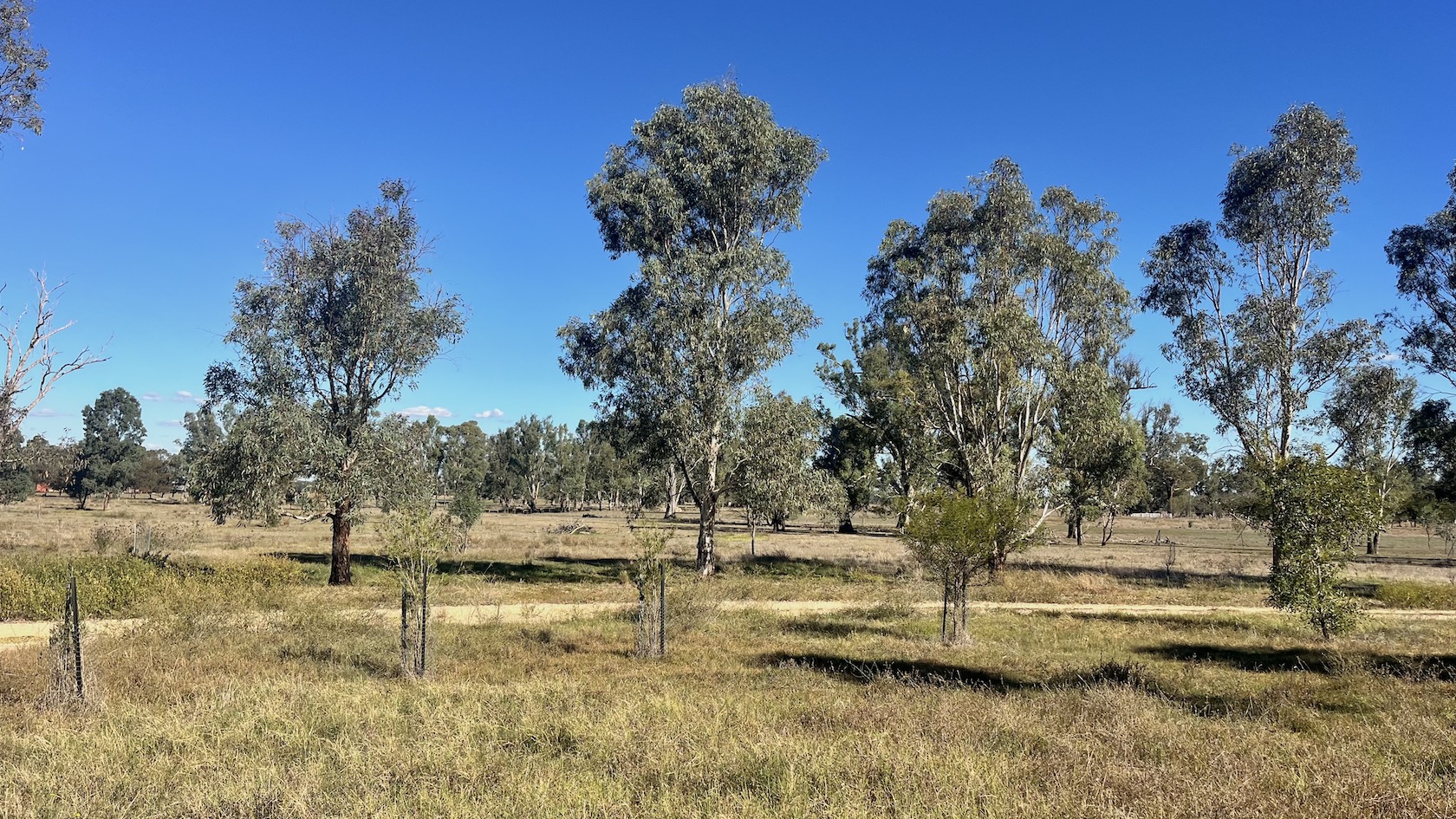
Woodside Commodities is committed to transitioning into new methods of agriculture that support a more sustainable future.
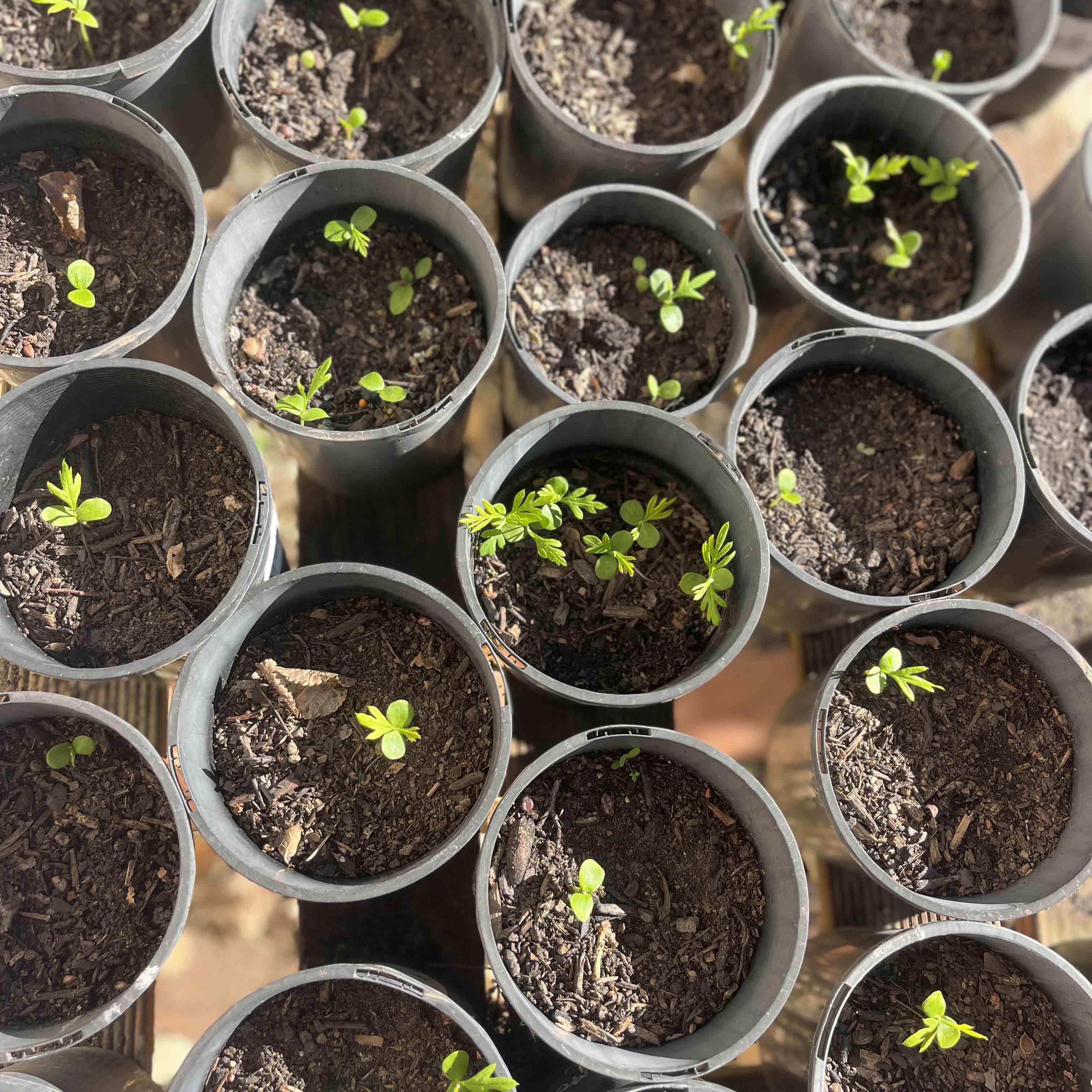
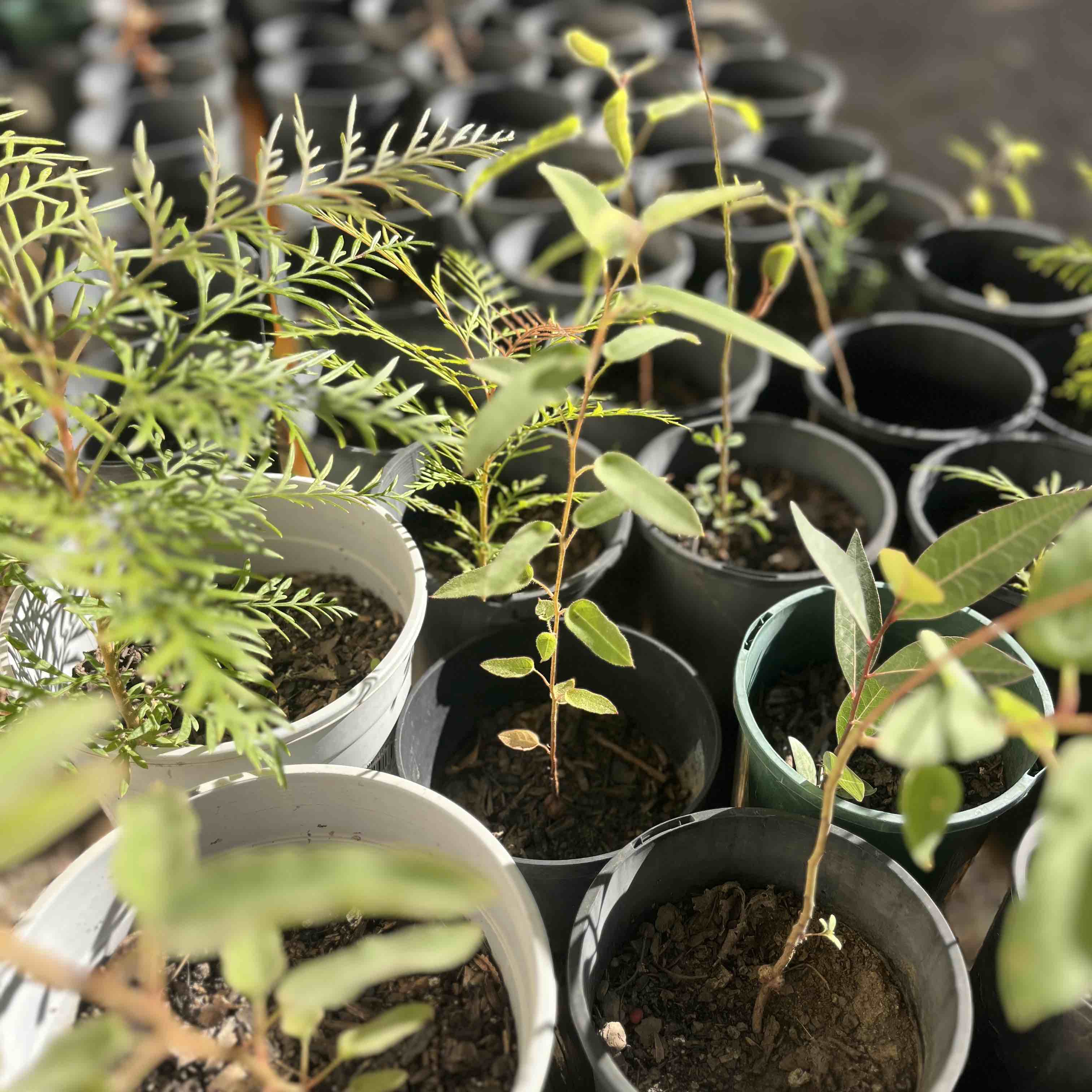
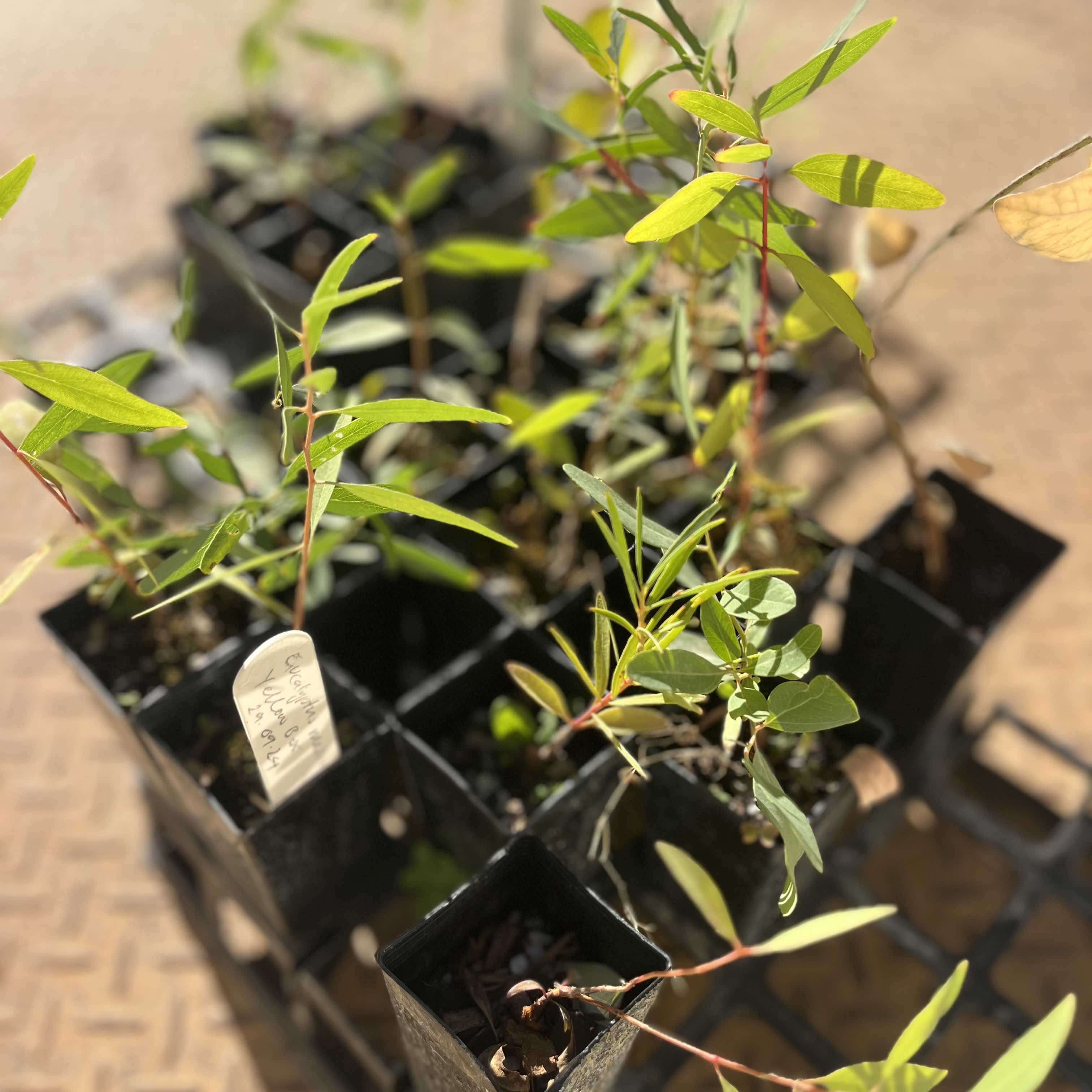
The Woodside Commodities team have contributed over 800 hours of volunteer work planting, watering and propagating locally sourced native trees.
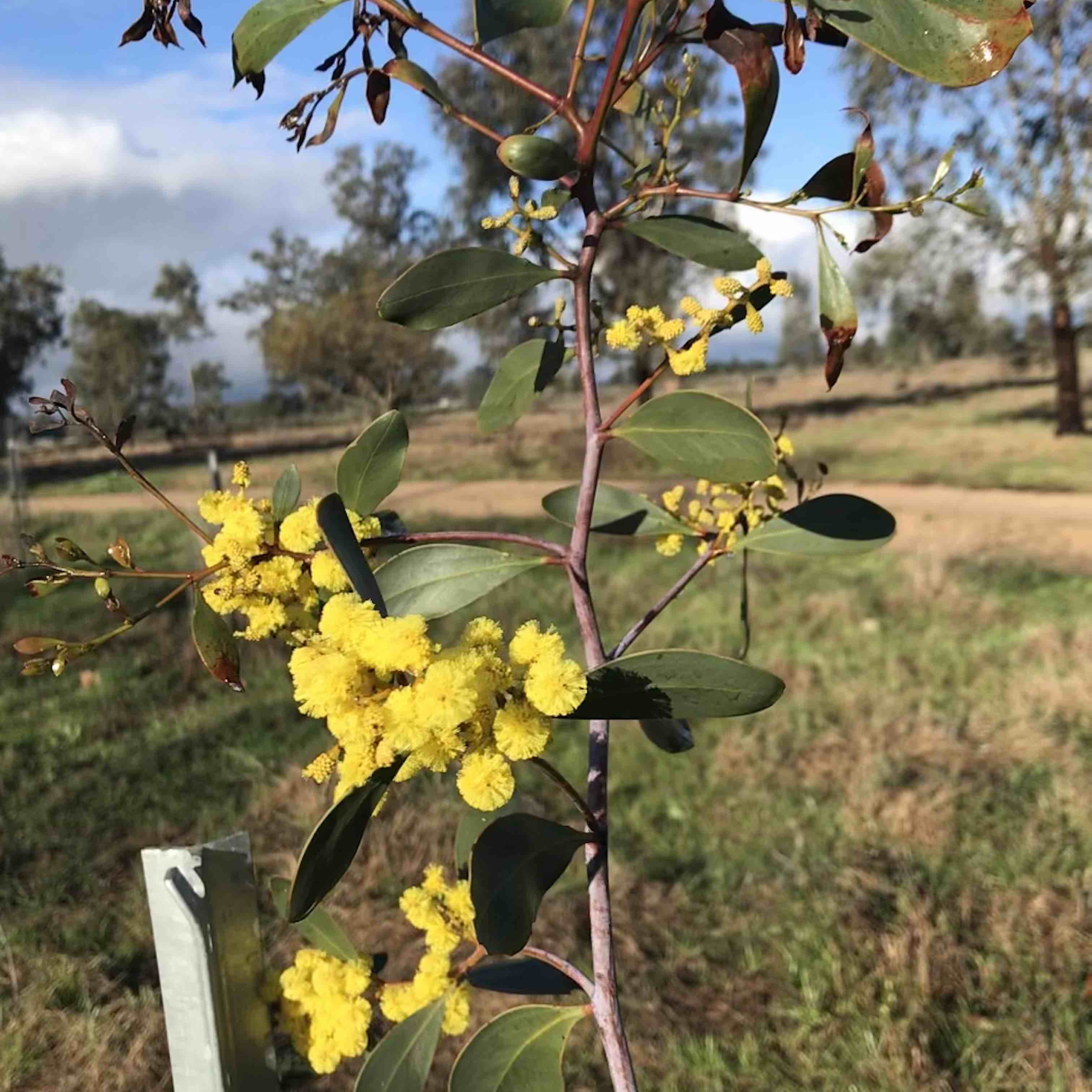
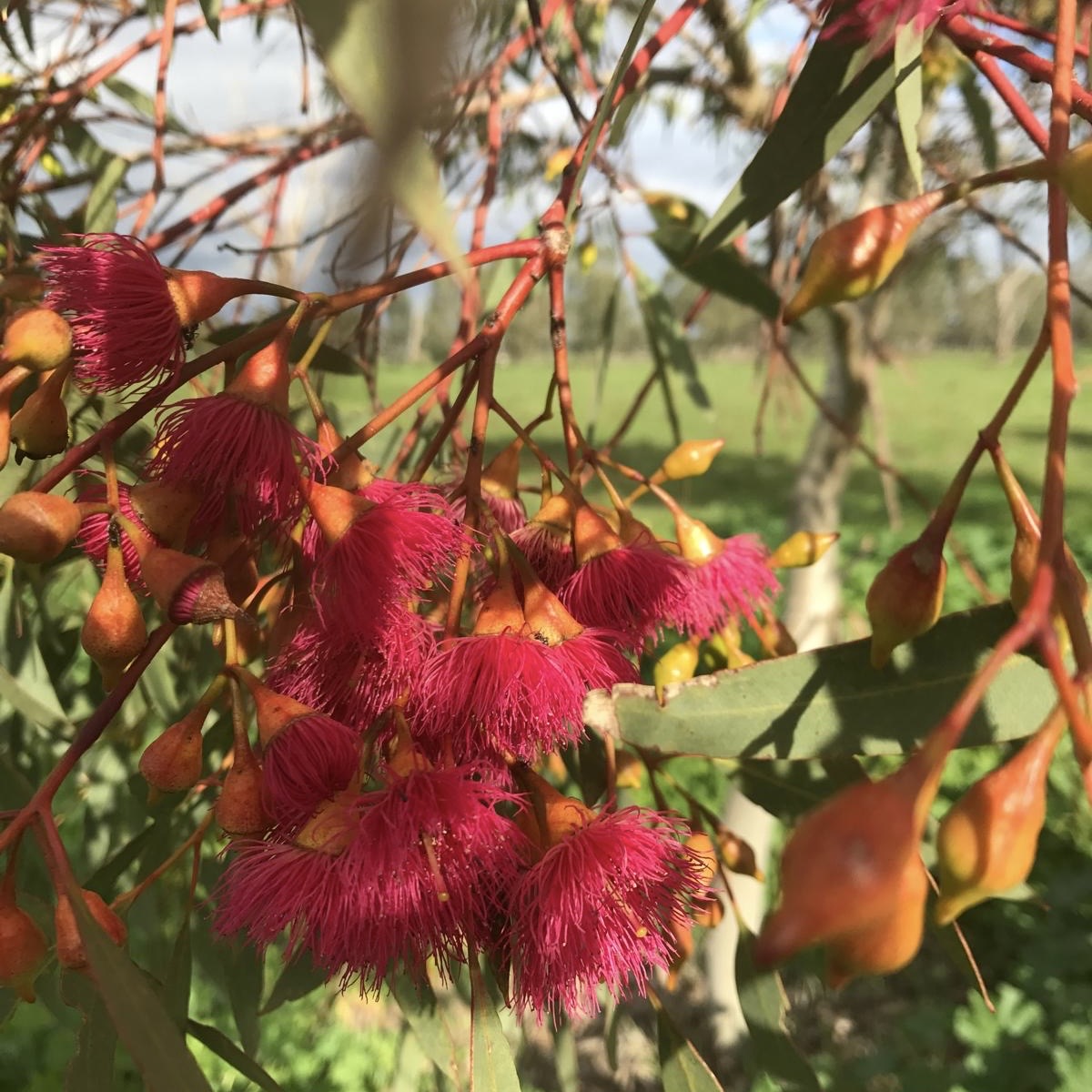
Of Woodside Commodities total property 40% has been converted from cleared farm-land to traditional open-woodland habitat dominated by native grasses, grey and yellow box, red river gums and the occasional native wild-flower.
This restored land is now home to species like the King Parrot, Eastern Rosella, Eastern Grey Kangaroo, Brush tail Possum, Squirrel Glider Possum and the Superb Parrot.
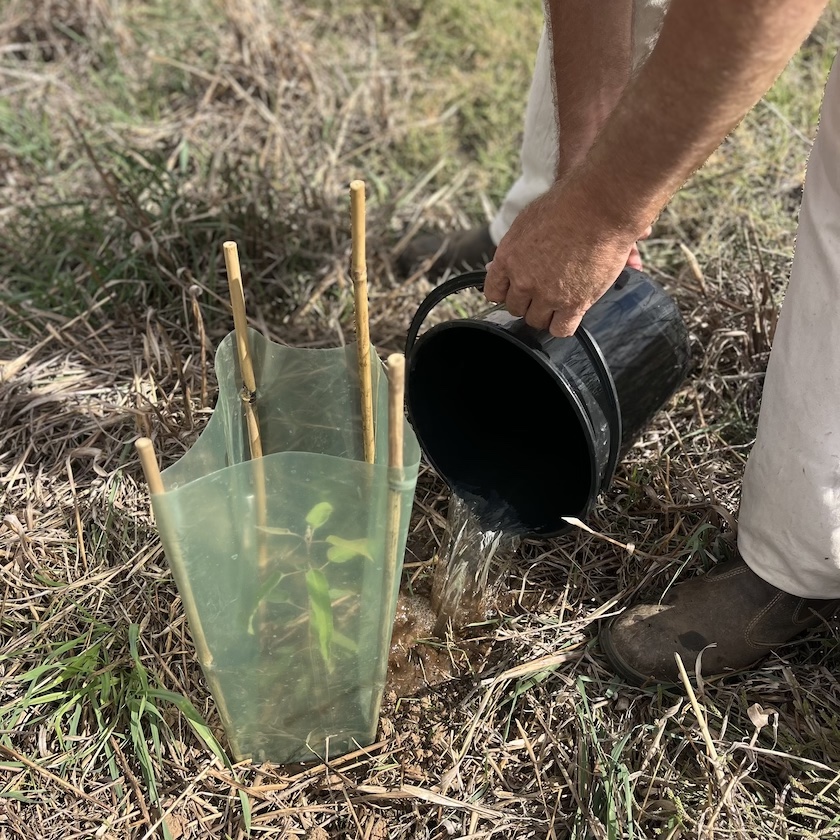
Woodside Commodities is focused on habitat restoration as a method of combatting the effects of habitat and biodiversity loss caused by deforestation in agriculture.
Shelter belts and corridors have been grown along the fence-lines of cropping paddocks, allowing species to cross between vegetation patches and safely reach river edges whilst improving soil productivity and protection for crops.
Paddock trees are protected from removal due to their high value as livestock shade and native animal habitat.
16ha of cleared farm-land once used for cattle grazing has since been restored to traditional open woodland absent from livestock. This 16ha supports the existence of native wildlife and provides ecological benefits to neighbouring cropping paddocks.
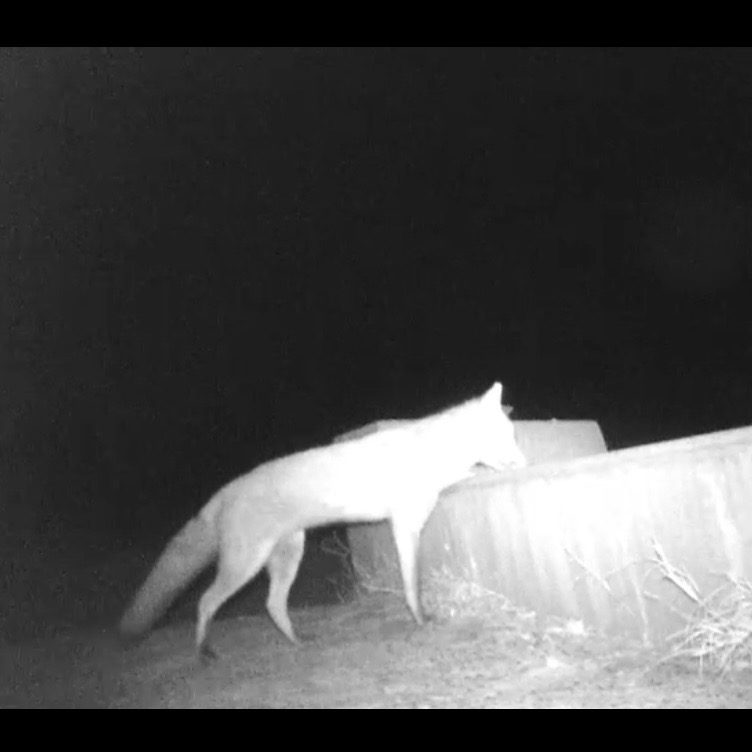
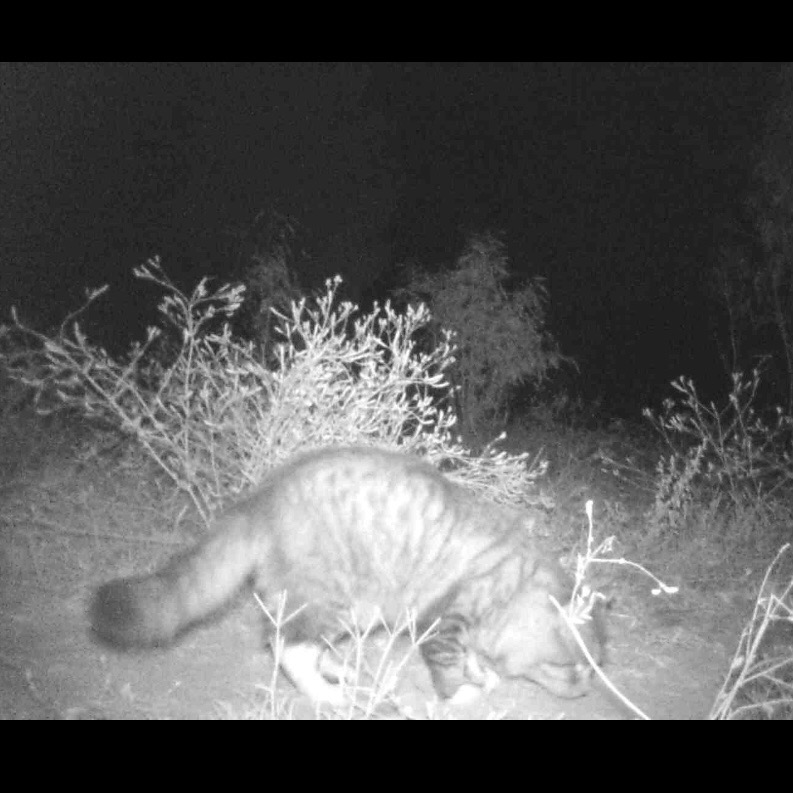
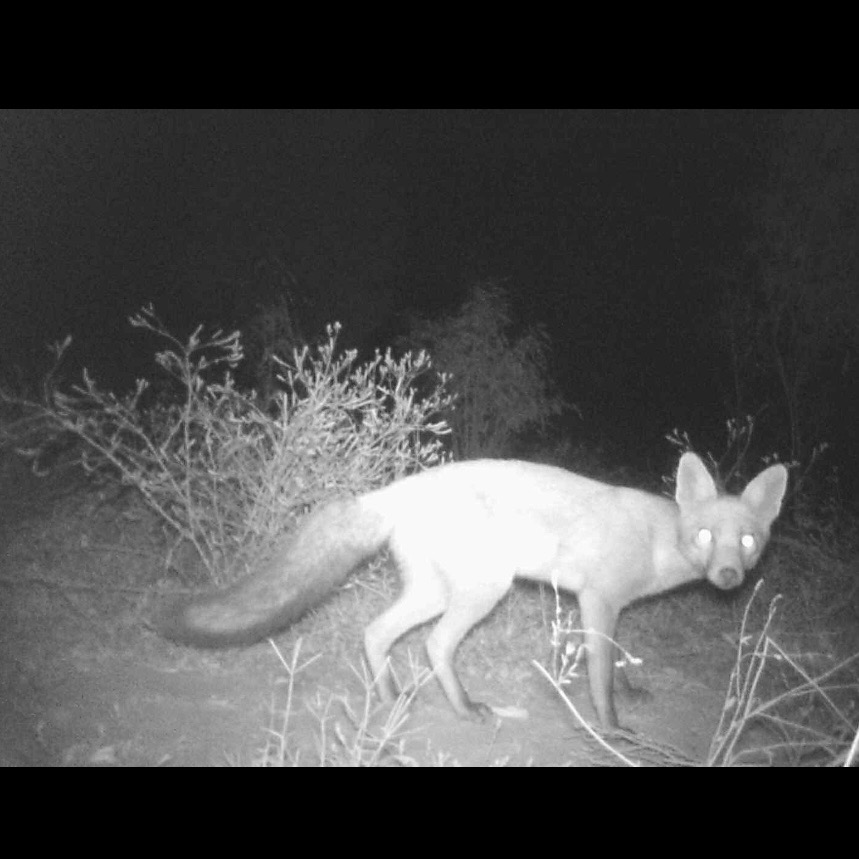
Woodside Commodities Sustainability Team monitor wildlife via camera traps, a minimal-impact and humane method of tracking and monitoring wildlife. Our cameras are located on high traffic routes across each property. These camera traps help our team to identify feral-pest species that present a threat to our native wildlife.